Last weekend I was looking for a quiet refuge from the chaotic and hyper-optimized energy of the city. I ducked into McNally Jackson at the South Street Seaport. I wanted to escape the weightless digital void and surround myself with things that demand to be physically held. I drifted toward the art section to simply take in the physical architecture of human expression. We casually scroll past ten thousand algorithmic images a day on our screens. Yet sitting in a quiet bookstore forces you to confront the sheer gravity of actual human effort.
The Silence of the Archive
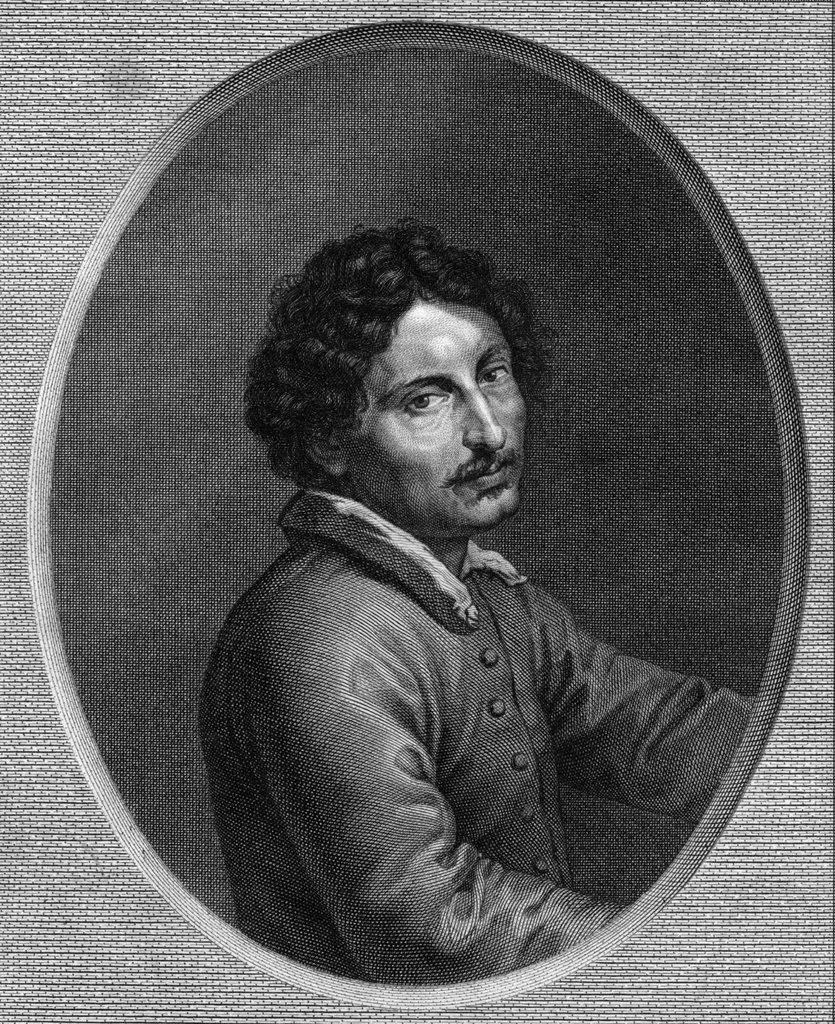
There is a profound silence in a room full of heavy books. It is the silence of thousands of people who spent years agonizing over every single word and every single brushstroke. My eyes landed on the massive, heavy spine of a Taschen book dedicated to Caravaggio. I pulled it from the shelf and felt the profound physical weight of it in both hands. If you want to understand the exact opposite of an algorithmic image, you look at Caravaggio. He was a brawler and a fugitive who was intimately acquainted with the dark. When he painted holy figures, he dragged the divine down into the dirt by painting saints with muddy feet and bruised skin.
The Architecture of the Shadow
His staggering use of shadow was not just a clever lighting technique. It was the frantic, terrified psyche of a human being with absolute skin in the game. Caravaggio's paintings have survived for over four hundred years because you can still literally feel the blood and the desperation in the paint. He understood something that modern society is desperately trying to forget. You cannot possibly have a masterpiece without the presence of overwhelming darkness.
We spend our lives trying to filter out our own shadows. We want a frictionless, uniformly lit existence. We avoid difficult conversations, we outsource our creative writing, and we use apps to smooth out the physical texture of our faces. We are terrified of the dark. But without the contrast of failure, grief, and physical exhaustion, the light in your life becomes completely meaningless. It just becomes a flat, sterile white screen.
The Philosophy of Techne
There is a profound philosophical reason why his work still arrests us today. The ancient Greeks understood a concept called Techne. This was the agonizing, physical translation of a human thought into a material reality. True art requires a physical body. We currently live in a society that worships speed and the total eradication of friction.
Let me be entirely clear. Artificial intelligence is an incredible tool. I benefit from it every single day, and I genuinely love how it accelerates our ideas. But we must pause and ask ourselves a very serious question about the cost. We are opting to type a prompt into a glowing box and wait three seconds for a flawless image. But a machine cannot create a true masterpiece because a machine has absolutely nothing to lose. It does not know the terror of a fleeting lifespan. It has never felt physical exhaustion, a broken heart, or the desperate, clawing urge to leave a mark on the world before the clock runs out.
The Luxury of Friction
A machine does not age. It does not know that its time is running out. That sense of biological urgency is the exact ingredient that gives human art its soul. When you remove the suffering, the waiting, and the physical friction from the creative process, you do not get better art. You just get a dead, sterile product. You get an imitation of life created by something that has never actually lived. We have to ask ourselves what we are actually doing when we rely on algorithms to do our deep thinking and our creating. We are not just saving time. We are actively surrendering the only thing that makes us interesting.
This is a quiet plea to stop trying to make your life and your work so terribly smooth. We are optimizing ourselves into total irrelevance. Stop outsourcing your creativity to a machine just to save time. Ask yourself what exactly you are saving that time for. Are you rushing through the creative process just to get back to scrolling on a piece of glass?
The ultimate luxury in this era is choosing to do things the hard way. Allow your work to take ten years. Let your mistakes remain visible on the canvas. Embrace the heavy, uncomfortable shadows in your own life. True beauty only happens when you are brave enough to let the world see the dirt on your hands. After all, you cannot rush greatness.