Dressing the Set: How to Architect Your Reality Through Tactile Fashion
I was walking through Soho yesterday afternoon, watching the city pulse with its usual chaotic rhythm, when I realized I was surrounded by a glitch in the matrix. Everywhere I looked, I saw the exact same uniform. High waisted blue jeans paired with a fitted black tube top or a stark white t-shirt. It is a full blown epidemic of utilitarian minimalism.
When did fashion become so aggressively boring?
We are living in one of the most creatively stimulating eras in history, yet we are collectively dressing like algorithmically generated bots. We have adopted a sterile, highly predictable uniform designed for maximum convenience and minimum visibility. We look completely fine, but we also look entirely invisible. We are dressing as if we are trying to camouflage ourselves against the concrete.
It got me thinking about the psychology of the clothes we choose to put on our bodies every morning. Are we dressing to express our souls, or are we dressing to apologize for taking up space?
The Makó Paradigm: Fashion as Theatre
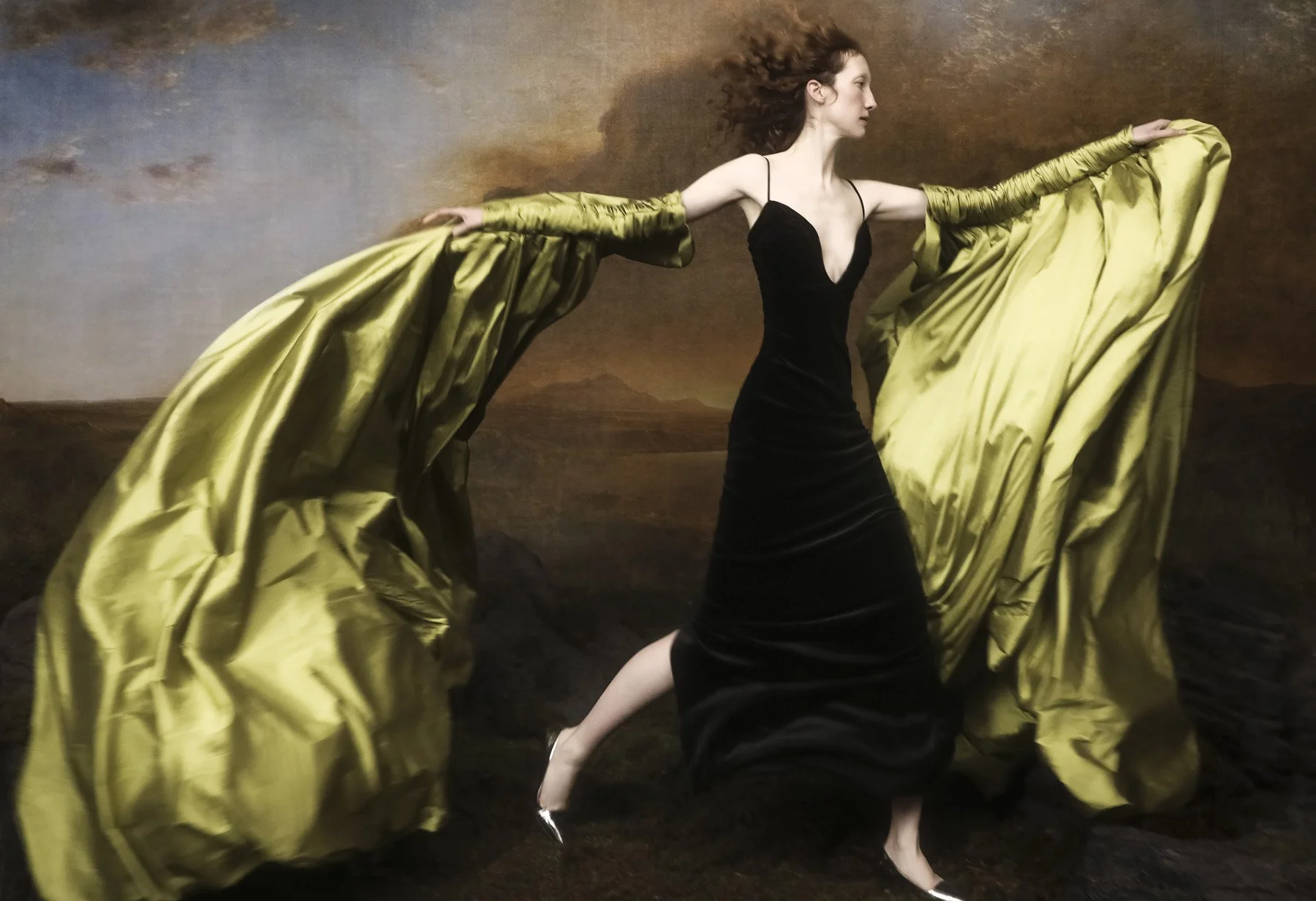
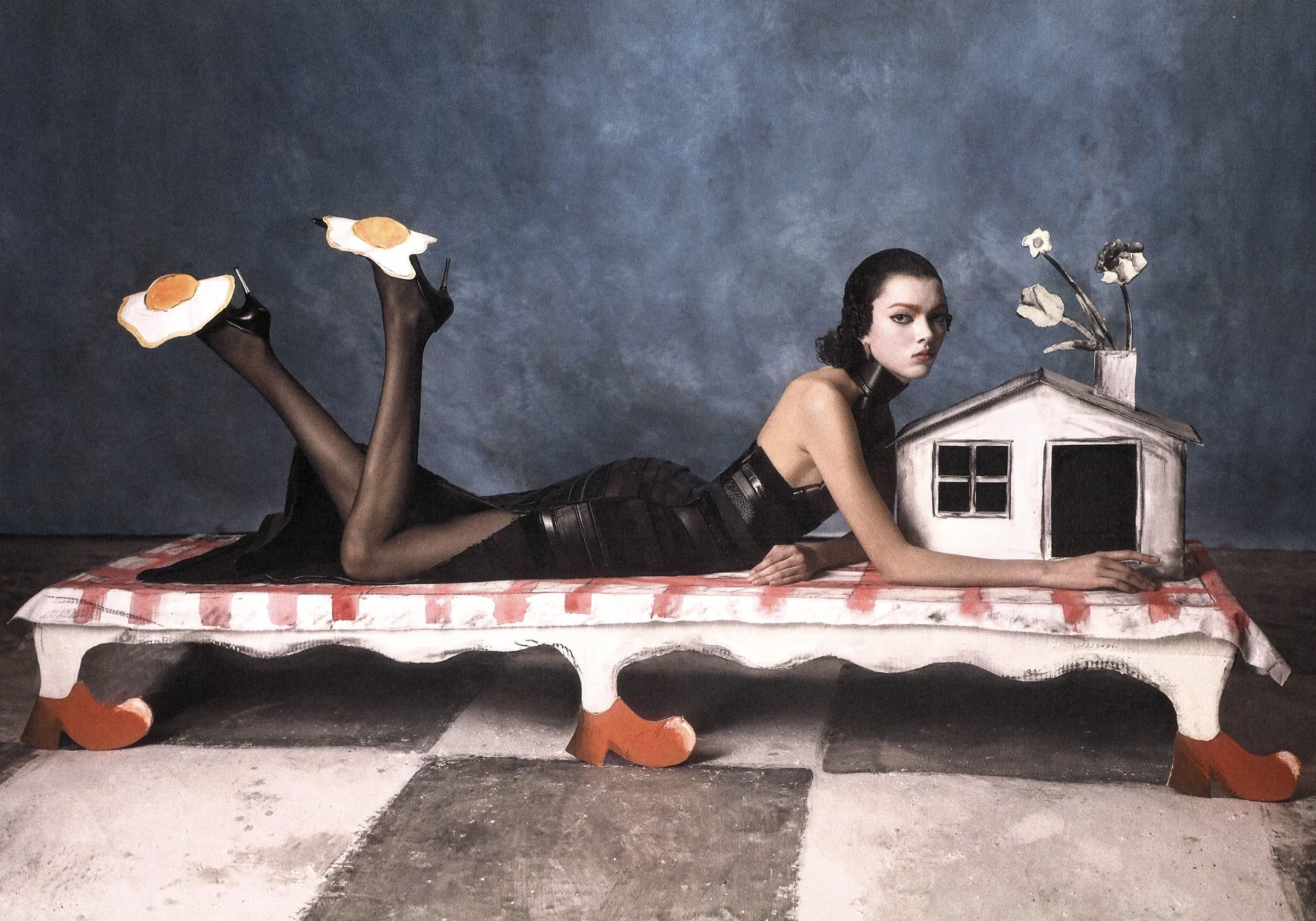
I recently found myself completely mesmerized by the work of Szilveszter Makó, a photographer born in Hungary and based in Milan. In a digital landscape overflowing with heavily filtered, identical images, his work stops you dead in your tracks. Cult Magazine brilliantly noted that his editorials feel less like traditional fashion shoots and more like fragments from a strange theatre play or a forgotten museum painting.
Makó builds worlds. His models are boxed into geometric spaces and dressed more like complex characters than mere fashion subjects. But the most arresting element of his work is the synergy between the fabric and the environment.
In a Makó photograph, the clothing never feels separate from the image itself. The garments become part of the story. They act as part of the set and sometimes even part of the illusion. His work sits in this highly unusual space between fashion, performance art, and set design. Every object feels tactile, physical, and handmade. You can literally see the painted textures and the imperfect edges. Absolutely nothing feels sterile.
The Tragedy of the Background Character
There is a profound lesson here for any woman trying to figure out how to step into your main character era.
When you wake up and put on the exact same jeans and fitted top as millions of other women, you are volunteering to be a background character. You are signaling to the world and to your own subconscious that you are just part of the scenery. Most people use fashion as a shield to blend into the background. They do not want to be perceived because being perceived requires courage.
A sovereign leader operates entirely differently. A woman stepping into her power uses fashion as storytelling. She does not wear clothes simply to cover her body. She wears clothes to architect her reality. Your wardrobe should serve as the handmade props of your ambition. It should communicate your arrival before you ever open your mouth to speak.
Architecting an Intentional Wardrobe
To build a conscious leadership style, you have to reject the epidemic of the utilitarian bot. You must reclaim the romance of getting dressed.
Look at the tactile warmth of Makó’s sets and apply that exact philosophy to your closet. Building an intentional wardrobe is not about chasing the latest microscopic internet trend. It is about demanding physical reality in a digital world. It means choosing heavy, structured wools that make you stand taller. It means finding a vintage silk blouse that carries a history. It means selecting a silhouette that challenges the eye and demands respect.
When you dress the set of your own life with this level of theatrical intention, you completely alter your internal chemistry. You stop waiting for someone to give you permission to be great.
The Stage is Yours
We spend so much time worrying about how we fit into the world, but we rarely pause to consider that we have the power to design the world around us.
If you are committed to living without regrets, you have to kill the desire to blend in. You have to be willing to look like a masterpiece in a room full of blank canvases. The next time you open your closet, do not reach for the safe, invisible uniform. Ask yourself what kind of character you are playing today. Ask yourself what kind of world you are trying to build.
You are the director, the lead actor, and the set designer of your own existence. Put on the outfit that proves it.
