The Anti-Innovator: What I Learned from the Founder of Flamingo Estate
We live in an era of relentless speed. We are told to move fast and break things. We are told that if we are not using AI to optimize every second of our workflow, we are already obsolete.
But sometimes, the most radical move a founder can make is to stop running.
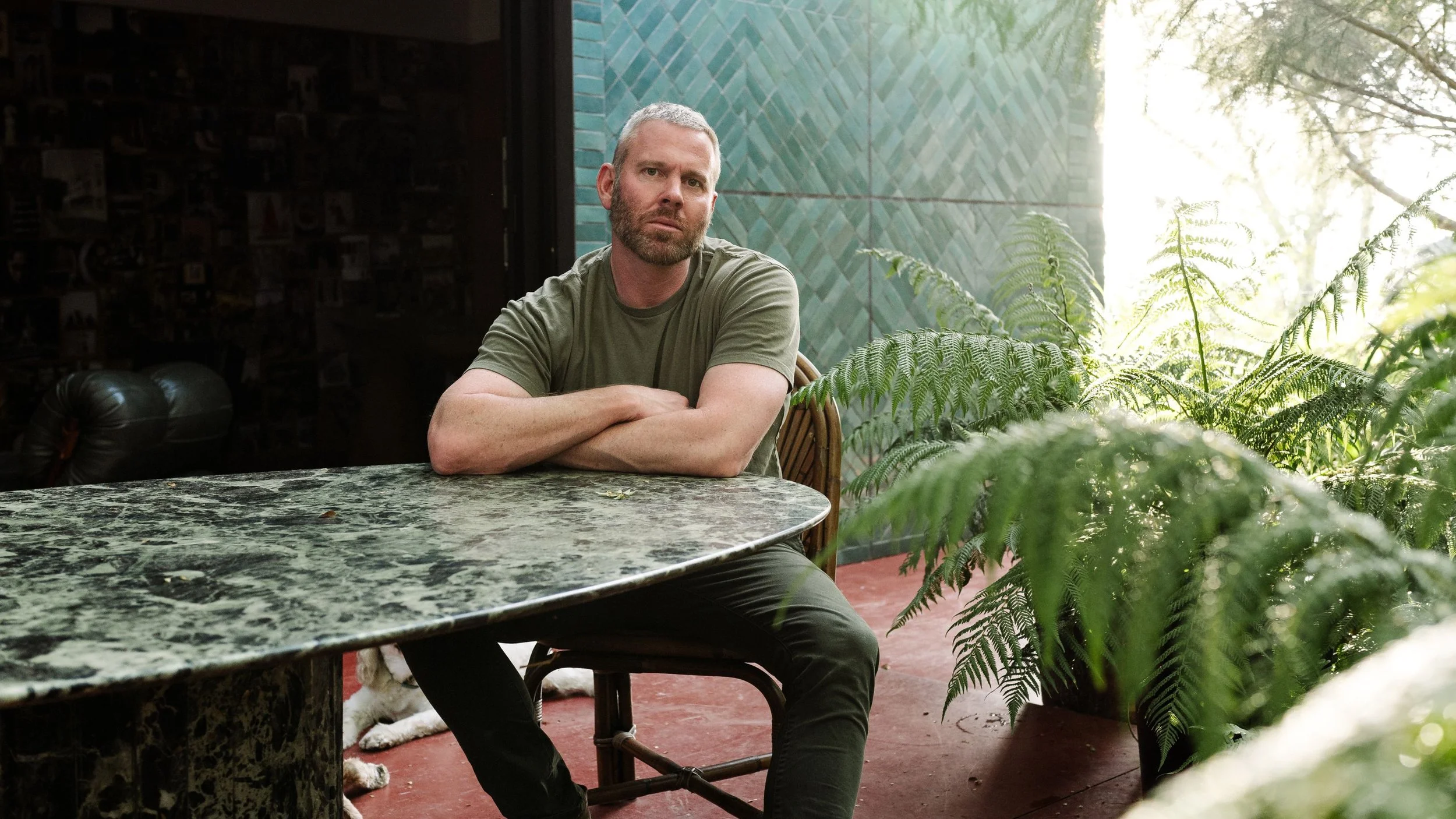
I have never met Richard Christiansen. But in my head, he is one of my most important mentors.
He is the founder of Flamingo Estate, a brand that has become a global phenomenon not by chasing the future, but by obsessing over the past. He built an empire on tomatoes, sage, and bathing.
While the rest of the world is trying to build the Metaverse, Richard is busy building a garden.
Here is the playbook I have learned from watching him build his "Anti-Innovation" empire.
Lesson 1: If You Feel "Unalive," Pivot to the Mud
Richard’s story resonates because it starts with a crisis of soul.
For 16 years, he ran a high-powered creative agency in New York City. He built glossy campaigns for luxury brands. He had "success" on paper. But privately, he admitted he felt "unalive." He was burnt out, disconnected, and glued to a screen.
The pivot didn't come from a whiteboard strategy session. It came from desperation.
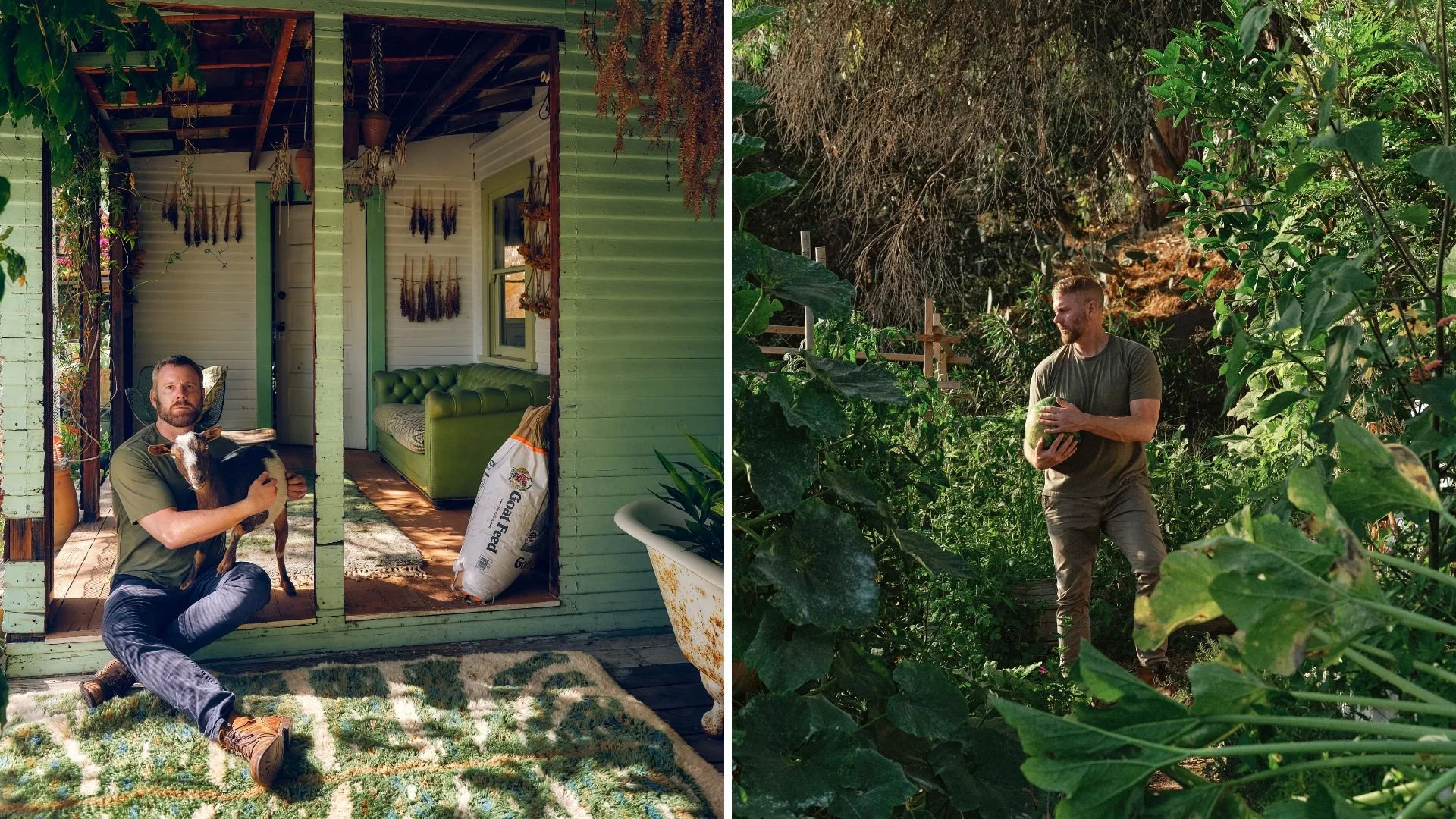
During the lockdown, isolated at his home in the hills of Los Angeles, he met a local farmer who was losing her land. He decided to help. He became a "vegetable salesman."
He started selling vegetable boxes from his driveway. Weekend by weekend, sales doubled.
He told the Business of Home podcast, "There was a real joy to this work, which I hadn’t felt for a long time. There was a cause and effect. We’re delivering something that people really need and love."
The Takeaway: We often look for business ideas in data. Richard found his by looking for a pulse. If your work makes you feel dead inside, no amount of scaling will fix it. Sometimes you have to get your hands dirty to remember you are human.
Lesson 2: Radical Inconsistency is a Feature, Not a Bug
In the software world, we obsess over consistency. We want the user experience to be identical every single time.
Flamingo Estate is a manifesto for the opposite.
Richard calls it "Radical Inconsistency."
If the sage harvest had more rain, the soap smells different. If the bees fed on different wildflowers, the honey tastes different.
Most brands view this variance as a defect. They add chemicals to flatten the curve. Richard views it as a vintage. He realized that "predictability bores me" and that true luxury is alive.
This extends to his home, which is the brand's HQ. There are strict rules. No television. No microwave.
These omissions are strategic. They force engagement. When you cannot heat a meal in thirty seconds, you have to touch the ingredients. You have to wait. You have to engage with the physical world.
The Takeaway: Perfection is boring. In a world of AI-generated sameness, the "flaws" of nature are the ultimate luxury.
Lesson 3: The LVMH Lesson on Scaling Scarcity
How do you scale a business that relies on Mother Nature? You can’t just code more tomatoes.
Richard received a critical piece of advice from an executive at LVMH. When he approached the luxury giant for investment, they declined but offered a profound insight.
They told him: "You’re doing something that luxury brands and LVMH are hungry to do. I don’t think you even know you’re doing it... The scarcity is the luxury."
They explained that massive brands spend billions trying to manufacture exclusivity. Flamingo Estate had it naturally. A lavender farm can only produce so much oil. A tomato harvest only lasts a few weeks.
Richard stopped apologizing for running out of stock. He started celebrating it.
"We’ve got 400 bottles of this thing. Take it or leave it. We’re not making more," became the new strategy. He realized he wasn't selling soap. He was selling the scarcity of the season.
The Takeaway: Do not try to fake abundance. If your product is hard to make, tell that story. The limit is what makes it valuable.
Lesson 4: Put Culture into Horticulture
This is the genius of Richard’s background as a creative director.
He knows that people are tired of being preached to. If you lead with "sustainability" and "save the planet," people tune out. It feels like homework.
Richard’s strategy is to "put culture into horticulture."
He leverages his network to make sustainability sexy. He collaborates with cultural icons like LeBron James (who makes honey) and Julianne Moore. He creates a "cool factor" that draws people in.
"We need to trick people into spending the right way," he explains.
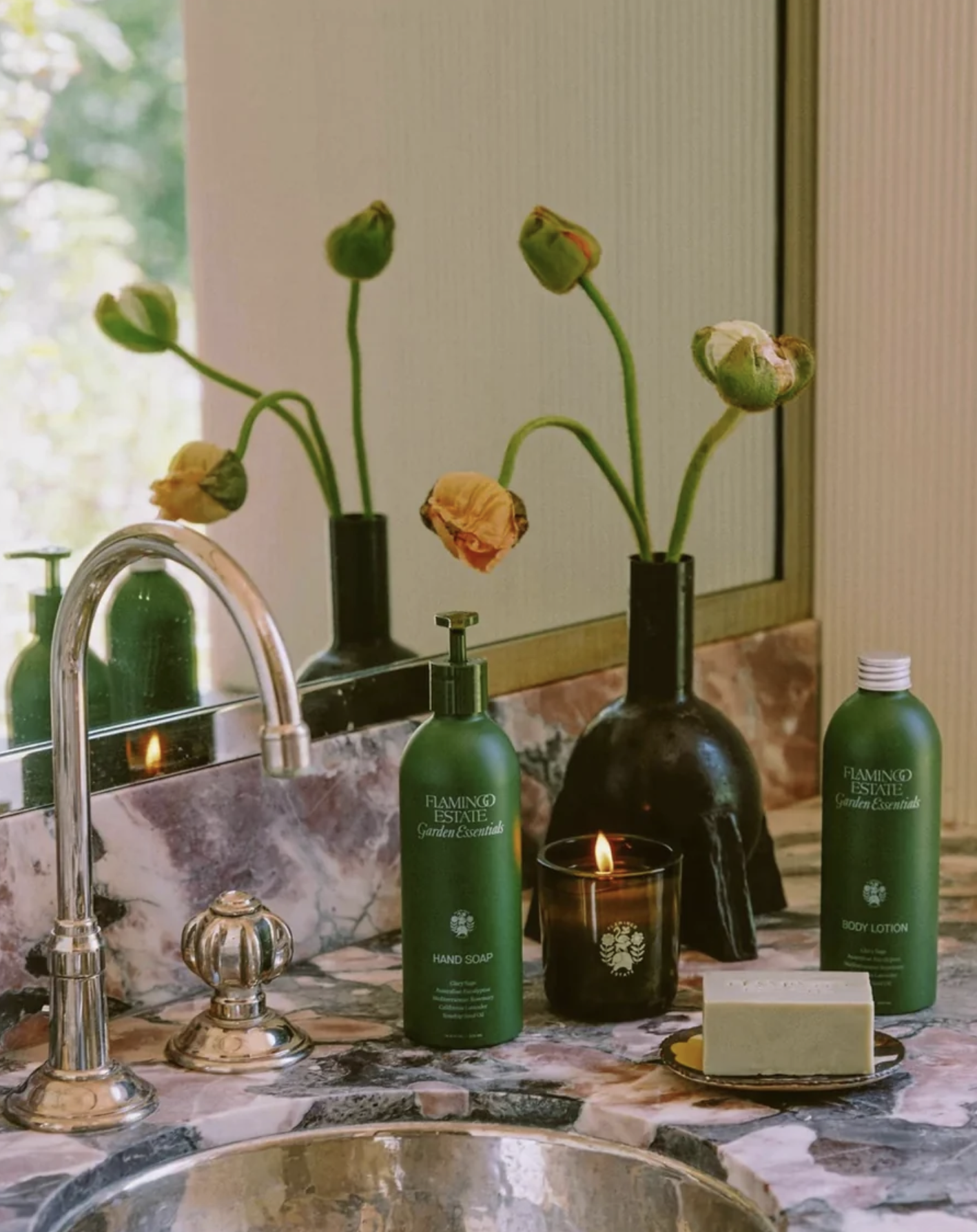
Once they are in the door because the brand is beautiful and the candles smell like a Roma Heirloom Tomato in July, they fall in love with the mission.
The Takeaway: Beauty is the Trojan Horse. You can have the most noble mission in the world, but if the product isn't desirable, nobody listens. Make it cool first. Make it meaningful second.
Lesson 5: Invest in Pleasure
Every founder has a metric they optimize for. Usually, it is revenue, retention, or growth.
Richard optimizes for pleasure.
It sounds hedonistic, but it is actually deeply strategic. He believes that pleasure is a path to radical change. If you can make people fall in love with a tomato, really fall in love with the taste of a sun-warmed tomato from a garden, they will fight to protect the earth that grew it.
He still writes the copy. He still tests the products in his bathhouse. He still walks the garden every day for inspiration.
He worships the tomato. And because he treats it with such reverence, we do too.
The Takeaway: The ultimate sustainable fuel for a founder is not grit. It is joy. If you are not enjoying the bath, why are you selling the soap?
