How to Reclaim Your Memories and Live With No Regrets
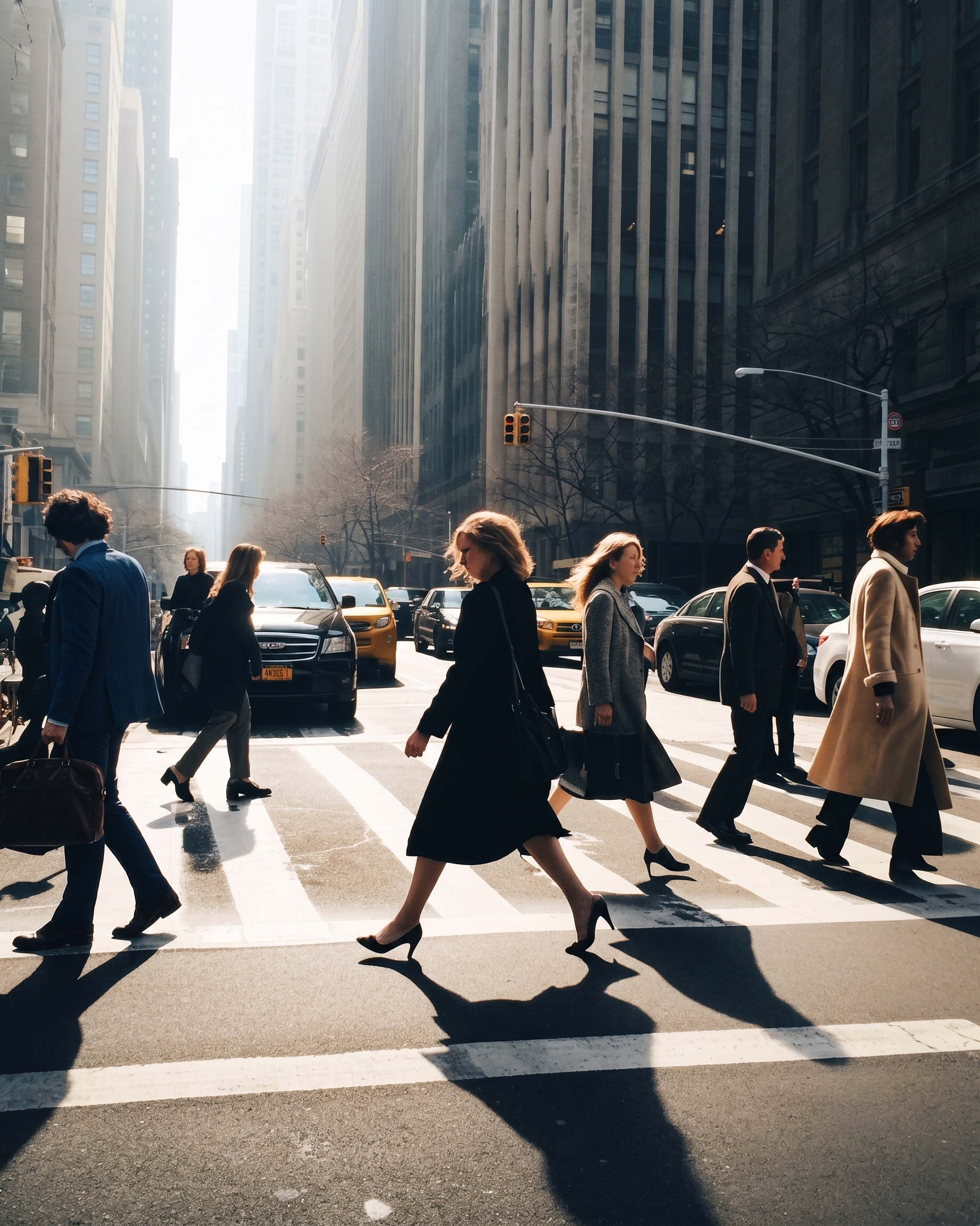
I was looking at the calendar the other morning, staring at the middle of 2026, and a sudden, terrifying thought crossed my mind. Where did the last three years actually go?
It is the most common conversation I have over dinner these days. Everyone is looking around, completely bewildered by the sheer velocity of the calendar. We blame getting older. We blame the relentless pace of New York City. We blame the post-pandemic timeline. But the actual truth is much sharper, and far more deeply within our control.
Time is not accelerating. It is simply being stolen.
Think about the texture of a weekend just a few short years ago. We left our apartments. We got lost looking for a new restaurant, we made spectacular, messy mistakes, and we created physical memories. We were busy doing things. Now, an entire Saturday can be effortlessly swallowed by the infinite, frictionless scroll. We traded the chaotic beauty of real life for the sanitized comfort of swiping and clicking. It is time we realize what this digital trance is actually costing us.
The Physics of a Stolen Afternoon
To understand why your time is vanishing, you have to understand how human memory is actually constructed.
Your brain relies on physical friction and sensory novelty to anchor a memory in time. You remember the exact smell of the pavement after a summer rainstorm in Brooklyn. You remember the heavy texture of a vintage coat you wore on a first date. You remember the chaotic, loud laughter of a dinner party where the wine spilled on the table. Those tactile, three-dimensional moments serve as bookmarks in your mind. When you look back, those bookmarks make the year feel expansive and full.
A screen provides absolutely none of this friction. A screen is perfectly smooth, endlessly repetitive, and entirely flat. When you spend four hours passively consuming other people's lives on social media, your brain does not record those individual swipes as unique memories. The entire afternoon gets compressed into a terrifying blank space.
You did not lose that time. You just slept through it.
The Epidemic of the Spectator
There is a devastating psychological toll to this constant scrolling. We have surrendered our agency to the algorithm.
Instead of going out and building our own brilliant plotlines, we spend hours passively watching strangers live theirs. You cannot step into your main character era if you are spending eight hours a day sitting in the audience. Swiping is the ultimate background character move. It creates a false sense of accomplishment and a synthetic illusion of connection, leaving us completely drained of the energy required to actually participate in our own existence.
If you truly want to know how to live with no regrets, you have to understand that regret rarely comes from the things we did. It comes from the staggering realization that we spent our most vibrant years watching a screen instead of living a life.
Reintroducing Tactile Friction
The ultimate antidote to this modern exhaustion is a radical return to the physical world.
To actually live with no regrets, you must violently disrupt the digital trance. You have to practice the power of walking away from your phone. Leave your device in another room and go for a walk where you are forced to actually look at the architecture of your neighborhood. Go to a dinner with your friends and refuse to document a single second of it.
Make bold choices that require actual, physical effort. Choose the complicated recipe over the delivery app. Choose the messy, unpredictable human interaction over the perfectly curated text message. Pick up a physical book instead of a glowing tablet.
When you reintroduce physical friction into your days, a miraculous thing happens. The clock slows down. Your weeks begin to feel expansive and full again. You stop feeling like a spectator in a digital simulation and finally step back into the sovereign, leading role of your own life.
Do not let the algorithm steal your memories. Put down the phone, step out into the friction of the real world, and start building a timeline you will actually remember.
