New York Is Not a City, It Is a Physics Experiment in Serendipity
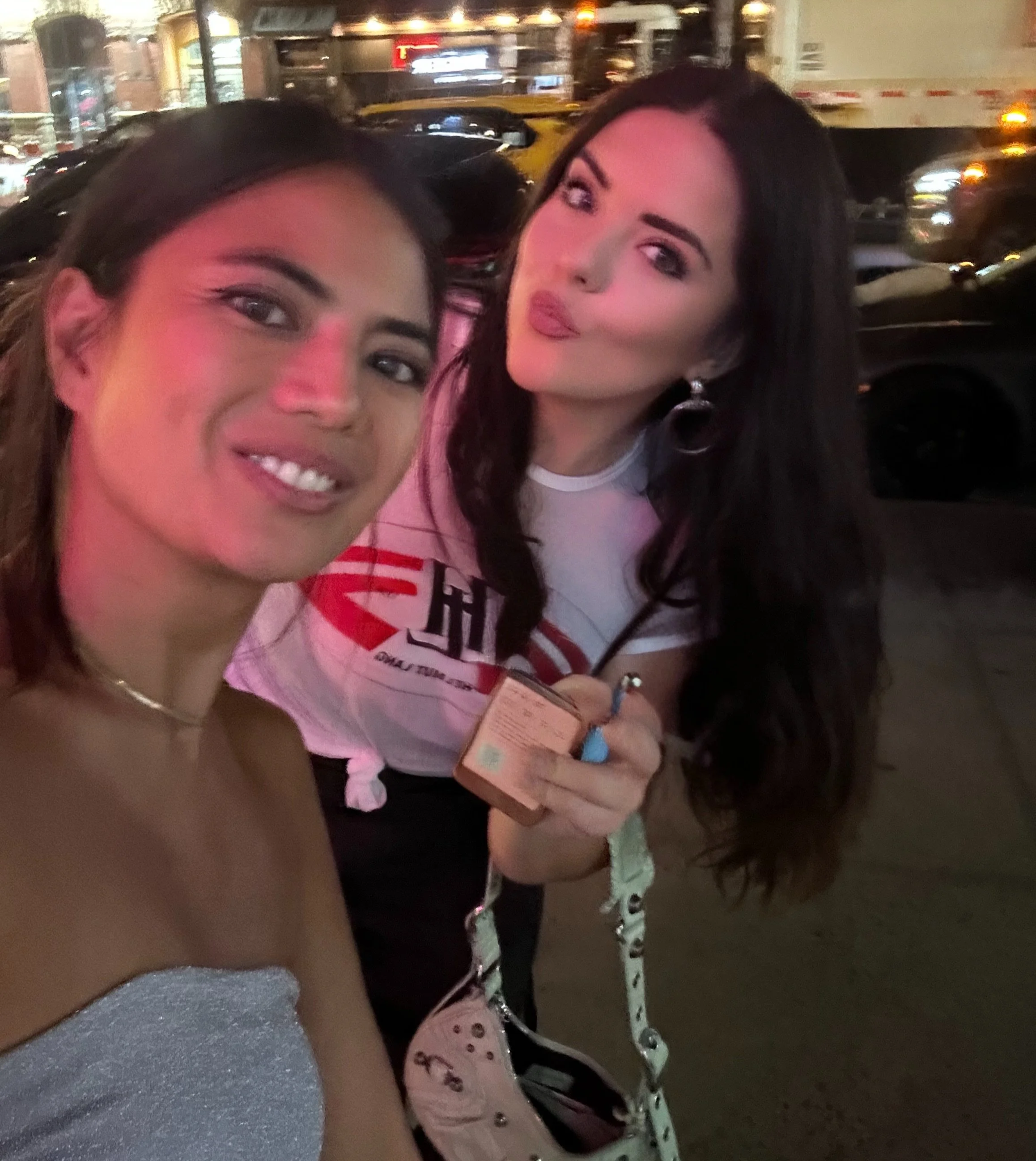
New York City is a physics experiment.
It is an island where millions of ambitious, frantic, and beautiful people are compressed onto a slab of granite. We are told that it is a metropolis, a global capital, an ocean of humanity.
But anyone who has truly lived here knows the secret. New York is not an ocean. It is a village.
It is a high school with better wine. It is a small town where you can run into your ex, your investor, and your favorite writer on the same block within a span of twenty minutes.
This duality is the source of its magic. It is the only place on earth where you can be completely anonymous and totally exposed at the same exact moment. Understanding how to navigate this paradox is the key to unlocking the city.
The Village Within the Void
There is a theory that the "scene" in New York consists of about 500 people. They just rotate venues.
You see this when you go out. You realize that the city is actually a series of overlapping micro-villages. If you frequent the same three restaurants, you enter a closed loop. You start to recognize the rhythm of the room. You nod to the maitre d'. You see the same faces in the same corner booths.
This closeness creates a sense of intimacy that is impossible in London or Los Angeles. In L.A., you are isolated in your car. In New York, you are colliding with people. The sidewalk is a contact sport.
This "Village Effect" is why networking here feels so organic. You do not need to schedule a meeting. You just need to show up at the right place at the right time. The city does the work for you. It shuffles the deck and deals you a hand of interactions that feels like destiny, even though it is just density.
The Ocean You Can Drown In
But then there is the other side. The Void.
If the Village feels too small, if the gossip feels too loud, you can simply walk ten blocks. You can dissolve into the crowd.
This is the ultimate luxury of New York. You can reinvent yourself in an afternoon. You can step out of your "Main Character" role and become an extra in someone else's movie. You can sit in a jazz bar in Harlem or a dumpling spot in Chinatown and be completely unknown.
This ability to vanish is essential for sovereignty. It allows you to rest. It allows you to test new versions of yourself without the pressure of an audience. You can be a ghost for a night, soaking in the energy of the collective without having to contribute to it.
The Algorithm of Serendipity
We talk about algorithms in tech. But New York has an analog algorithm. It is an engine of serendipity.
The magic of a New York night is that it cannot be planned. The best nights are always the ones that start with zero expectations. You go for one drink. You run into a friend. They take you to a house party. You end up on a rooftop at 4 AM talking about philosophy with a stranger.
This randomness is a feature, not a bug.
To survive here, you have to surrender to the flow. You have to say "yes" to the detour. The city rewards curiosity. It punishes rigidity. If you try to force New York to follow your schedule, it will break you. If you let New York lead, it will give you gold.
Living in the Current
I love this city because it forces you to be present. You cannot sleepwalk through New York. The noise, the lights, the sheer volume of life happening around you demands your attention.
It is an exhausting, exhilarating, and brutal place. But it is also the most human place on earth.
We are all here, stacked on top of each other, trying to build something that lasts. We are all swimming in the same ocean. Sometimes we bump into each other. Sometimes we drift apart.
But for those few hours when the sun goes down and the skyline lights up, we are all part of the same electric current. We are all villagers in the capital of the world.
Founder's FAQ
Q: How do you handle the overwhelming energy of NYC? A: You have to curate your exposure. I use the "Village" strategy. I have my few safe spots where I know the staff and the vibe. When I need energy, I go there. When I need peace, I retreat to my apartment or a quiet neighborhood. You must have an off switch.
Q: Is it true that the circle is really small? A: Yes. In any specific industry (tech, fashion, art), the circle is tiny. Treat everyone with respect because you will see them again. Probably tomorrow.
Q: What is the best way to experience the "magic"? A: Put your phone away. Walk. Do not take an Uber. Walk from SoHo to the West Village. Look people in the eye. The magic happens in the transitions between places, not just inside the venues.
Q: Why do you say the randomness is a feature? A: Because structure kills creativity. The random collisions of New York are where new ideas come from. It is the original open-source network.
