The Strategic Necessity of Your "Villain Era" and Why Nice Girls Finish Tired
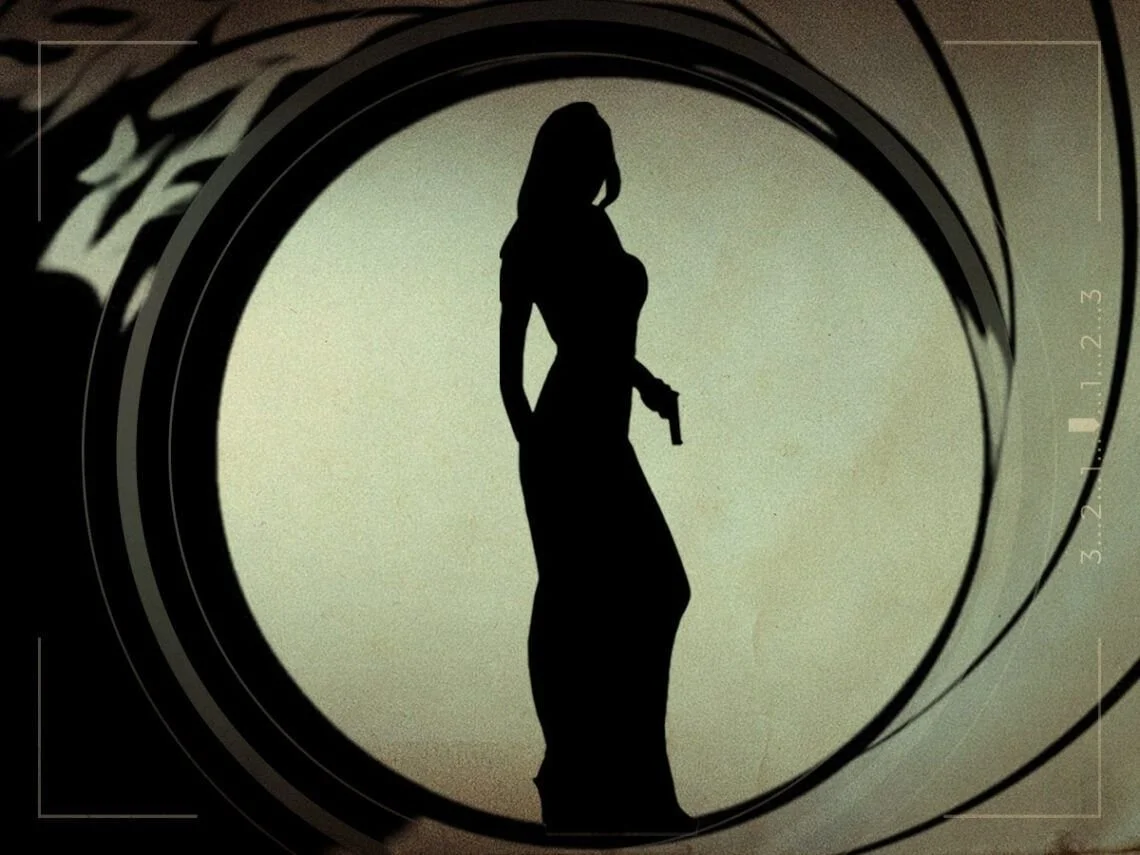
I am a recovering "nice girl."
For most of my life, I have been a "strong teddy bear." My default setting is high empathy. I want people to feel good. I want to be helpful. I want to see the best in everyone.
For years, my catchphrase was a reflexive lie. Someone would overstep a boundary, drop the ball, or disrespect my time. My response was always the same.
"It’s okay. It didn't affect me that much."
I gave grace like it was candy. I forgave unprofessionalism. I accommodated bad behavior because I didn't want to make things awkward. I thought this was kindness. I thought this was being a "good person."
I was wrong. It was not kindness. It was a lack of self-respect disguised as patience.
I have learned a brutal lesson in my journey as a founder. You cannot build a sovereign life if you are terrified of disappointing people. To build an empire, you must be willing to enter your Villain Era.
The Economy of Grace
We need to talk about the economics of forgiveness.
When you are a high-empathy person, you view your patience as an unlimited resource. You think you can just keep printing more grace.
But grace operates like a currency. If you give it to everyone for everything, you devalue it. When you say "it's okay" to a client who disrespects your team, you are not being nice. You are lowering the market value of your standards. You are training the world to treat you as a discount option.
The realization hit me hard. My excessive grace was actually a liability. It was attracting people who felt entitled to my energy without earning it. By refusing to be the "bad guy," I was becoming the victim of my own business.
Redefining the Villain
Let’s strip the morality out of the word "villain."
In this context, being a villain does not mean being malicious. It does not mean being cruel.
Being a villain simply means you are willing to be the antagonist in someone else’s story to remain the protagonist of your own.
This is a crucial distinction.
If you say "no" to a coffee chat because you need to focus on your product launch, you are the villain in that person's story of networking.
If you fire a toxic client who pays well but drains your team, you are the villain in that client's story of convenience.
If you set a hard boundary with a friend who only calls to dump their trauma on you, you are the villain in their story of validation.
So be it.
Accepting this role is the price of admission for sovereignty. You have to be okay with being the bad guy in the narrative of people who benefit from your lack of boundaries.
The High Cost of Being "Low Maintenance"
The "nice girl" takes pride in being low maintenance. She goes with the flow. She doesn't want to be difficult.
But look at the brands, the leaders, and the icons we admire. Are they low maintenance? Is Tom Ford low maintenance? Is Kelly Cutrone low maintenance? Is the level of service at the Hotel du Cap-Eden-Roc low maintenance?
No. They are exacting. They are specific. They are high maintenance because they have high standards.
When you try to be "easy," you signal to the universe that your needs are negotiable. You signal that your vision is secondary to the comfort of others.
Entering your Villain Era means retiring the "Cool Girl" persona. It means becoming the woman who sends the food back if it is cold. It means being the founder who demands the contract be rewritten. It means being the person who says, "Actually, that does not work for me," without following it up with an apology.
The Velvet Rope Philosophy
This does not mean you lose your soul. I am still a teddy bear. I still lead with love.
But now, that love sits behind a velvet rope.
My empathy is reserved for the people who respect the ecosystem I have built. My grace is reserved for honest mistakes, not chronic disrespect.
The Villain Era is not about building walls. It is about building a gate. It is about having a security system for your energy. It allows you to be softer and more present with the people who truly matter because you are not exhausted from managing the emotions of people who don't.
A Call to Disappoint
So here is my challenge to the nice girls, the empaths, and the givers.
Disappoint someone today.
Say no. Cancel the plan you dread. Charge the full price. Call out the behavior that annoys you.
Someone will call you difficult. Someone will call you a bitch. Someone will say you have changed.
Let them.
They are just mourning the loss of the version of you that was easy to use. You are not losing a friend or a client. You are shedding a parasite.
Being the villain in their story is the only way to be the hero in yours.
Founder's FAQ
Q: Does entering my "Villain Era" mean I have to be mean? A: Absolutely not. Being a "villain" in this context just means prioritizing your own well-being and vision over someone else's convenience. You can set a hard boundary with a smile. You can fire a client with grace. It is about firmness, not cruelty.
Q: How do I handle the guilt of saying no? A: Guilt is just a growing pain. It is your old programming trying to keep you safe and liked. When you feel guilty for setting a boundary, reframe it. You aren't hurting them; you are protecting the asset that is you. The guilt will fade as your self-respect grows.
Q: Won't I lose friends or clients if I stop being "nice"? A: You might. But you have to ask yourself: were they really friends, or were they just fans of your compliance? Were they good clients, or were they just taking advantage of your lack of boundaries? Losing them isn't a loss; it's a filtration process. You are making room for people who respect you.
Q: Is this "strong teddy bear" energy sustainable? A: It is the only sustainable way to lead. If you give everyone access to your soft side, you will burn out. By using your "villain" energy to guard the gate, you ensure that you actually have the energy to be kind, present, and loving with the people who deserve it.
