The Brutal Perfection of Tom Ford’s A Single Man
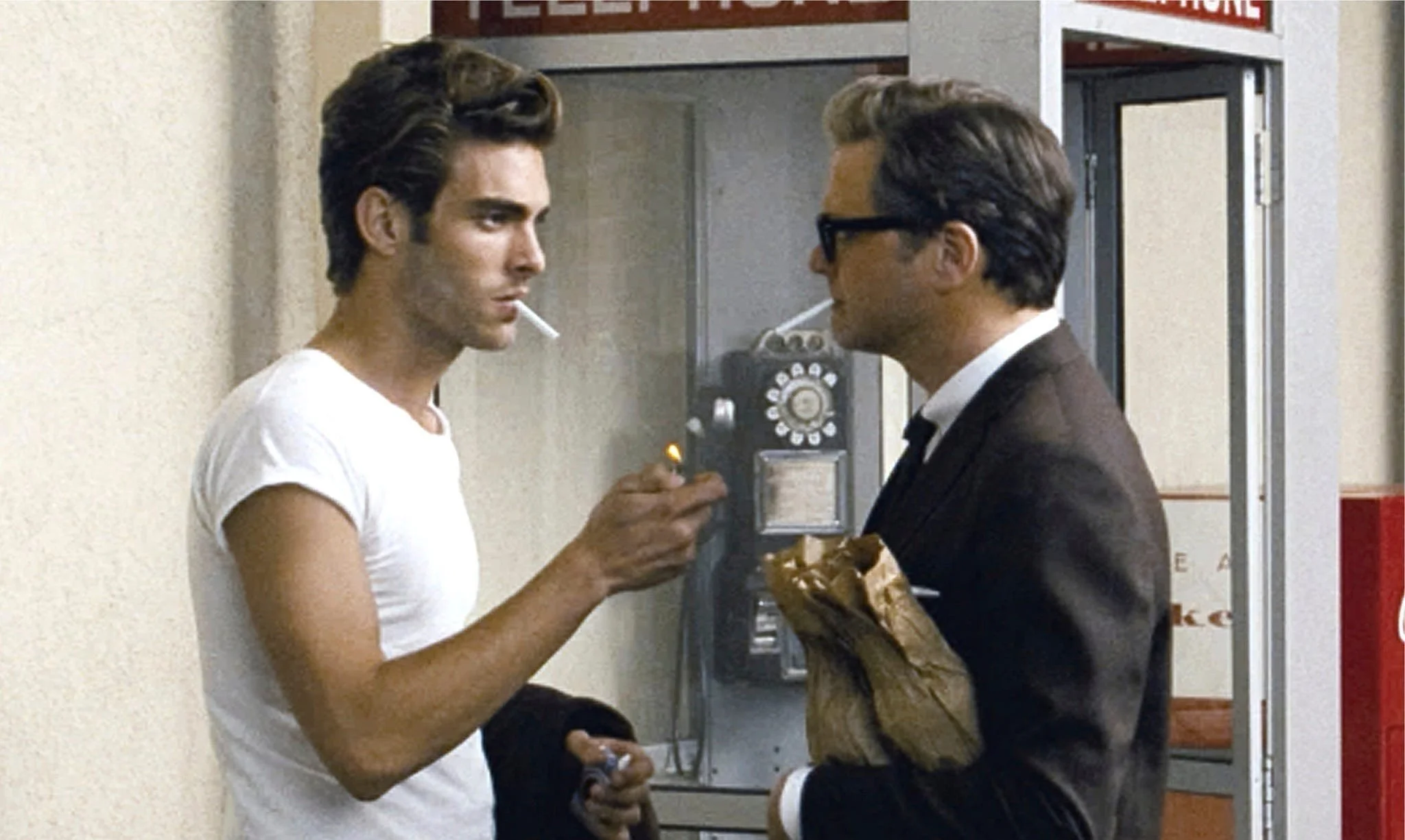
When Tom Ford released his directorial debut, A Single Man, the predictable chorus of film purists immediately rolled their eyes. They took one look at the hyper-manicured mid-century sets and the impossibly crisp collars, and they dismissed the entire project as a feature-length perfume commercial. They complained that every single frame was too perfect, the shifting color saturation was far too heavy-handed, and the aesthetic was entirely too rigid.
They completely missed the point.
When a fashion designer crosses over into cinema, there is an immediate, cynical assumption that they will prioritize the surface over the soul. What those critics failed to understand is that sometimes, the surface is the soul’s absolute last line of defense. For George Falconer—the quietly unraveling, grieving protagonist played with devastating restraint by Colin Firth—precision is not an act of vanity. It is a vital, desperate survival mechanism.
The Kevlar Suit
Consider George’s morning routine. He does not dress to impress his colleagues at the university; he dresses as if he is strapping on Kevlar. After the sudden, catastrophic loss of his partner, George is living in a state of quiet, agonizing freefall. His immediate response is not to completely unravel in a cinematic display of tears, but to violently tighten the screws.
The immaculate white shirt, the ruthlessly precise knot of the tie, the militant alignment of his desktop—this is not a man simply showing off his impeccable taste. This is a man applying a tourniquet to a severed artery. With the help of acclaimed costume designer Arianne Phillips, Ford engineered a wardrobe that serves as a physical cage holding a shattered man together. George uses severe, unrelenting aesthetic control because the ritual of getting dressed is the only thing preventing his absolute psychological collapse.
The Glass Cage of Good Taste
This brutal perfection extends entirely to the world he inhabits. Collaborating with production designer Dan Bishop, Ford places George inside an impeccably curated mid-century modern architectural masterpiece. It is undeniably gorgeous, but it functions as a highly stylized prison. He is completely trapped within his own good taste. The house is pristine because there is no life left inside it to make a mess.
Ford brilliantly weaponizes this sterile perfection through the film's manipulation of light and color. As a director, Ford noted that in his own experiences with depression, the world appears completely flat and colorless. He mirrors this visually. When George is consumed by his grief, the cinematography is suffocatingly gray and desaturated. But when he experiences a fleeting, unexpected moment of connection or beauty—the startling, bright-eyed youth of his student, the warmth of a neighbor's dog, or a simple sunset—the color violently rushes back into the frame. The scene shifts into a warm, deeply saturated intensity, physically mimicking the terrifying, uncontrollable shock of actually feeling alive. You do not cry all day when you are grieving; instead, you go numb, only to be ambushed by hyper-vivid moments of sensory overload.
The Defiance of Aesthetics
We are culturally conditioned to dismiss extreme curation as shallow. We assume that if something looks too good, it cannot possibly possess any emotional depth. But A Single Man forces us to completely reconsider the absolute utility of good taste.
It suggests that aesthetics are not just about making things look pretty for an audience or securing social status. When the entire foundation of your life has been violently ripped away, the rigid discipline of maintaining your form might be the only act of defiance you have left. Sometimes, waking up, putting on the bespoke suit, and facing a devastating world looking completely flawless is the bravest thing a person can possibly do.