The Kingmaker’s Eye: Paul Facchetti and the Architecture of Discovery
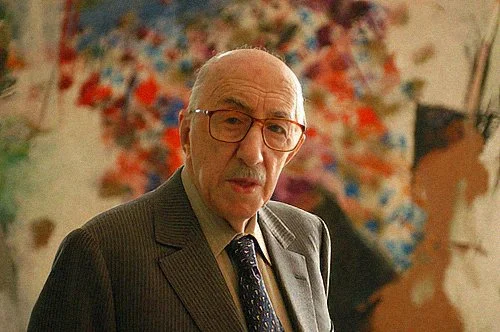
We often think of success as a solo climb. We romanticize the "struggling artist" in a vacuum. But history tells a different story. It tells a story of the Gatekeeper.
In the mid-twentieth century, that gatekeeper was Paul Facchetti.
Facchetti was the ultimate kingmaker. He was the man who had the audacity to introduce Jackson Pollock to Europe in 1952. While the rest of the continent was still catching up to the chaos of American Abstraction, Facchetti was already building the stage for it. He was the architect of "Art Informel," a movement defined by its lack of structure and its raw, gestural power.
But his greatest move was not following his own trend. It was breaking it.
The Hellenic Rebellion
By the late 1960s, Paris was the center of the avant-garde. Everything was abstract, intellectual, and increasingly detached from the human form.
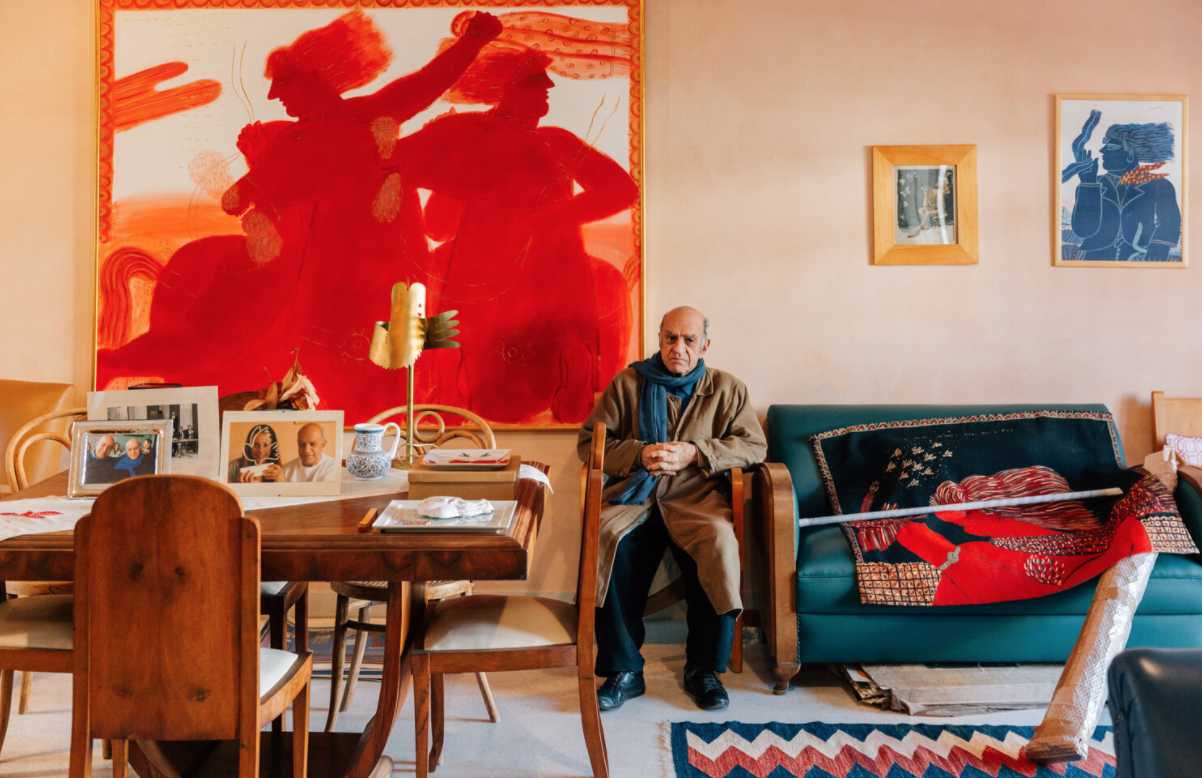
Alekos Fassianos @ his Athens apartment
Then came Alekos Fassianos.
Fassianos arrived from Athens with work that was the antithesis of the Parisian cool. His paintings were figurative. They were joyful. They were drenched in the flat, vibrant colors of Greek myths and the Mediterranean sun. In Athens, his work was ignored. In the traditional art world, it was considered "too poetic" or "too simple."
A lesser dealer would have told him to conform. They would have told him to paint more like the French abstractionists to fit the market.
Facchetti did the opposite. He saw that Fassianos’s "Greekness" was his greatest strategic asset.
Counter-Cyclical Mentorship
Facchetti understood a fundamental truth about endurance: If you follow the algorithm, you become a commodity. He backed Fassianos with the same ferocity he had used for Pollock. He didn't want Fassianos to be more French. He wanted him to be more Greek. He pushed the artist to lean into the flat perspectives, the bicycling figures, and the fluttering scarves that became his signature DNA.
Facchetti realized that while everyone else was chasing the "New," Fassianos was tapping into the "Ancient."
By choosing a figurative artist in an abstract era, Facchetti executed a masterclass in counter-cyclical thinking. He moved the market toward Fassianos, rather than moving Fassianos toward the market.
The Lesson of the Gatekeeper
This is the real power of mentorship. A true mentor doesn't just give you a playbook; they give you the permission to be yourself.
Facchetti changed the artist's life because he provided the one thing Fassianos couldn't find in Athens: The right room.He provided a platform where Fassianos's "weirdness" was recognized as genius.
Today, Fassianos is a national treasure in Greece and a legend in Europe. But that legacy began in a Parisian gallery with a man who wasn't afraid to bet against the trend.
As a founder or a creator, the lesson is clear. Stop trying to fit into the AirSpace of your industry. Find the Facchetti to your Fassianos. Find the person who doesn't want you to be more "standard," but wants you to be more of exactly who you are.
Strategy without heart is a transaction. Strategy with soul is a legacy.
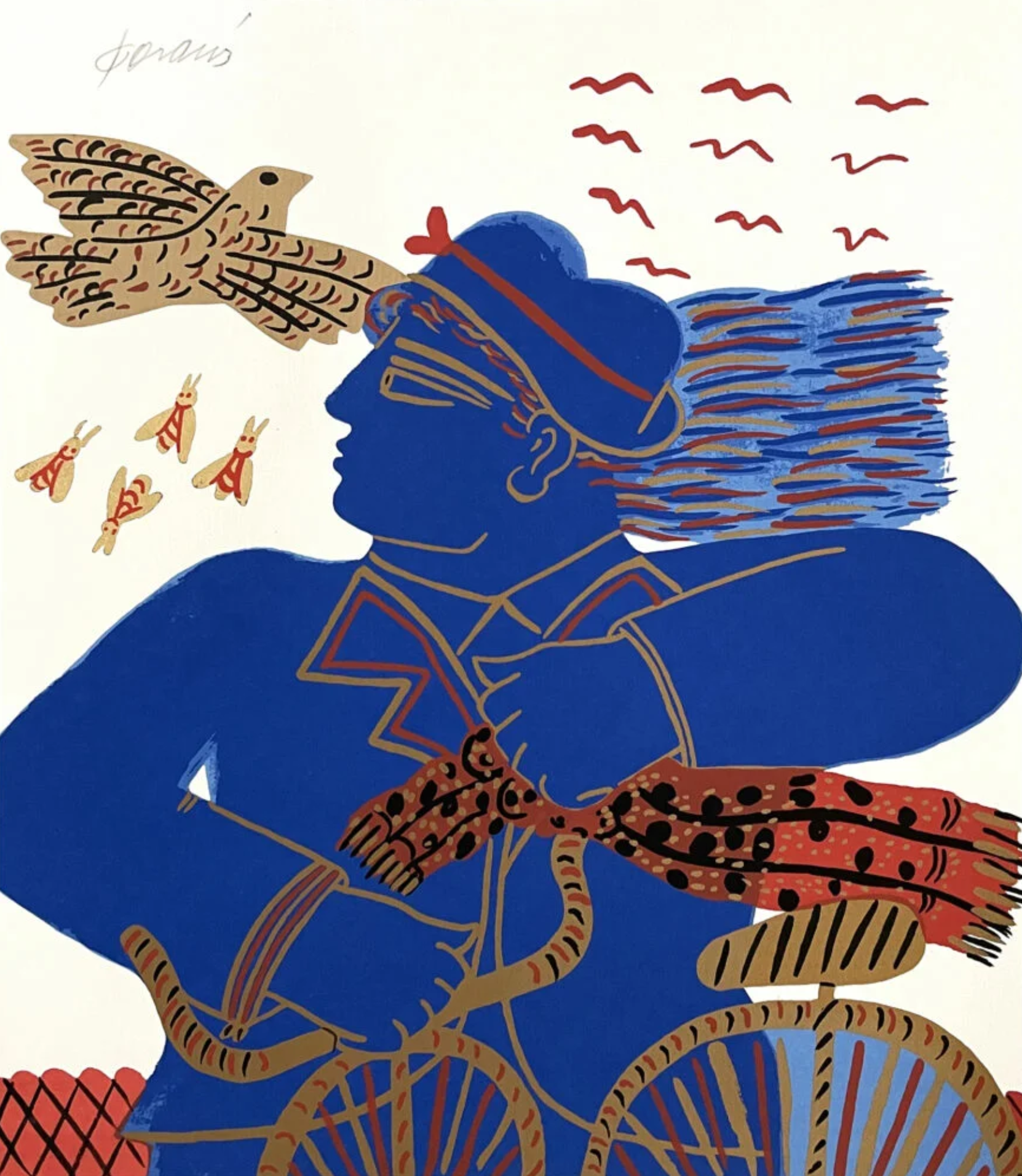
Painting by Alekos Fassianos
