Rituals and Radical Agency at Parsons

This weekend served as a vital reminder that while the world tries to optimize us into data points, there are still spaces where the human spirit is the only thing that matters.
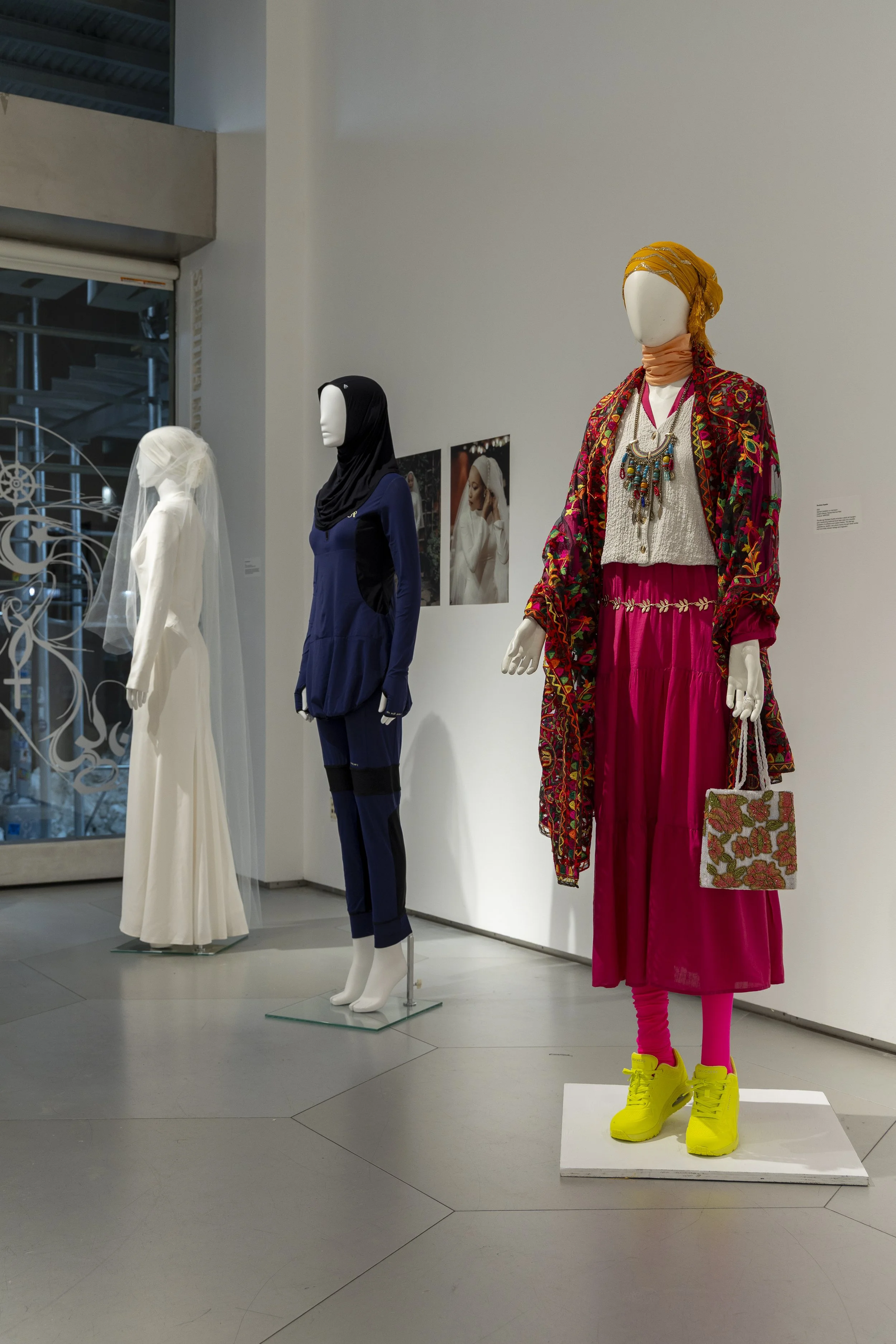
I attended the Fashion – Faith: Rituals and Dialogues (FFRD) symposium at the Arnold and Sheila Aronson Gallery. Envisioned by Fiona Dieffenbacher, Shireen Soliman, Otto von Busch, and Mark Larrimore, the event was a masterclass in how our spiritual rituals shape what we wear. To say I am inspired would be a massive understatement.
The Heart of the Parsons Crew
I studied fashion and it remains the primary language of my heart. Returning to this world felt like coming home. What I love most about the Parsons fashion crew is their relentless passion for their students, their craft, and the integrity of the industry. These are people who do not just teach technical skills. They teach you how to exist in the world with purpose.
The standout moment for me was Professor Shireen Soliman’s lecture on the Muslim-American fashion narrative. It was brilliant but it was also deeply personal. Shireen was one of my favorite professors back when I was a student. She is the reason I can navigate Adobe in my sleep and the reason I understand that design is a form of power.
Seeing her on that stage reminded me why I fell in love with this industry in the first place.
Reclaiming the 3D Reality
Shireen challenged the room to look past the Google search version of identity. She presented a sobering visual: a search for Muslim woman from 2014 versus 2025. Despite a decade of supposed progress, the digital imagery remains a flat and 10% representation of the actual story. It is a stoppage of information that ignores the rich and diverse reality of millions of women.
Shireen isn’t just teaching fashion. She is teaching agency.
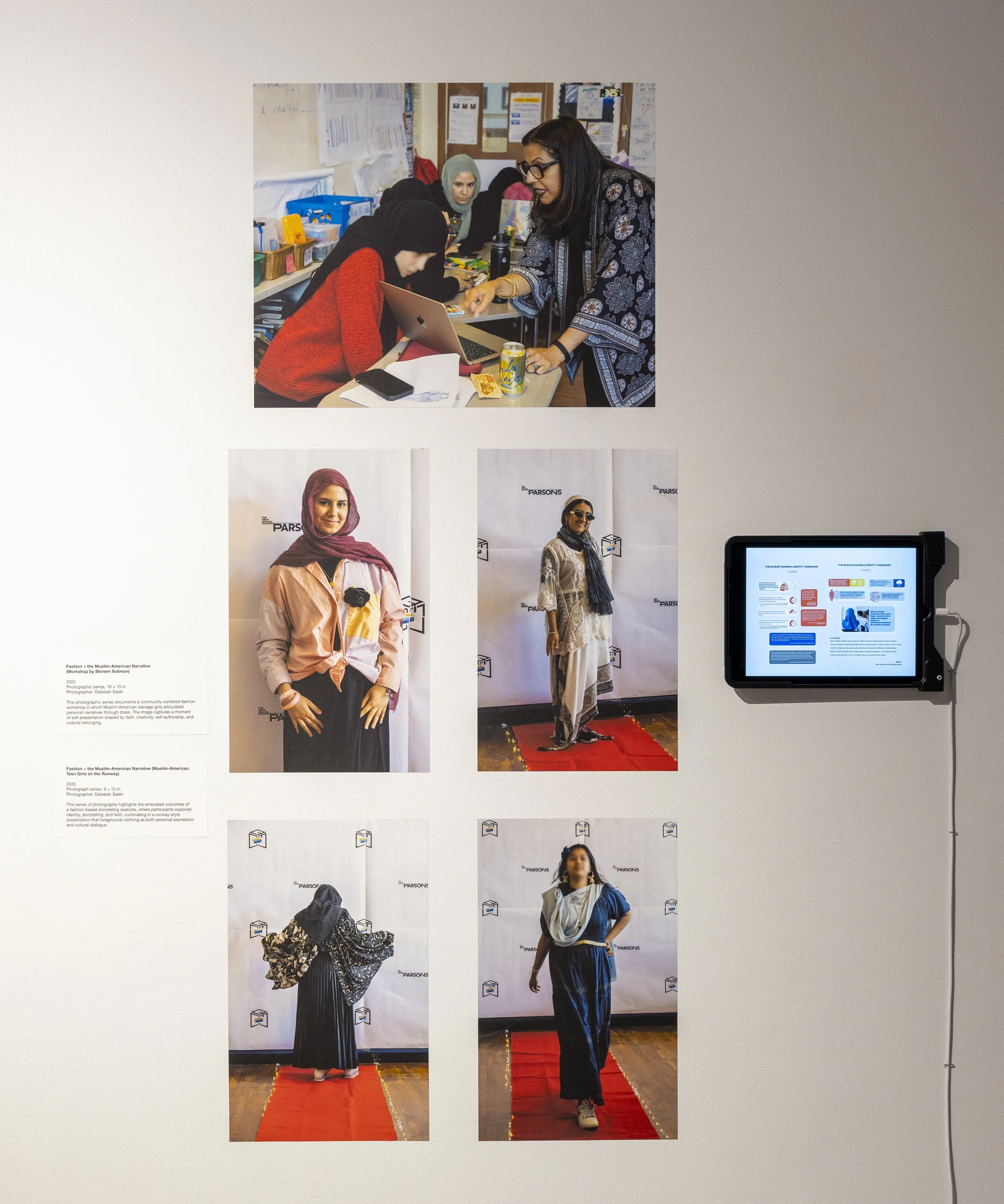
From her workshops with high schoolers in Astoria to her critique of the colonized mind in luxury fashion, she is helping the next generation reclaim their own story. She spoke about the Pioneer Tax paid by figures like Halima Aden, who walked away from the industry rather than let her practice be adapted for a Eurocentric lens.
The Pedagogy of Empowerment
Perhaps the most impactful part of Shireen’s work is her direct engagement with youth. In a world where 25% of Muslim female students report their hijab being tugged or touched, she provides a protective infrastructure.
Through identity collages and digital storytelling, she helps these young women see themselves as designers of their own narratives. She is ensuring that the next generation does not just follow the rules. They change them.
As she reminded us: "Garments often speak before we do."
When we wear something that is rooted in our faith, our rituals, and our history, we are practicing a form of radical sovereignty. We are refusing to be flattened by an algorithm or a colonial narrative. We are asserting that we are complex and 3D beings with a second skin that projects our deepest values.
Being back in that gallery, surrounded by the passion of my former professors, I realized that this is the antidote to the data obsession I have been writing about. You cannot compute the soul of a garment. You cannot quantify the ritual of getting dressed.
This is where the magic lives. This is where the soul comes back to life.
