Eunice Johnson and the Architecture of Black Excellence
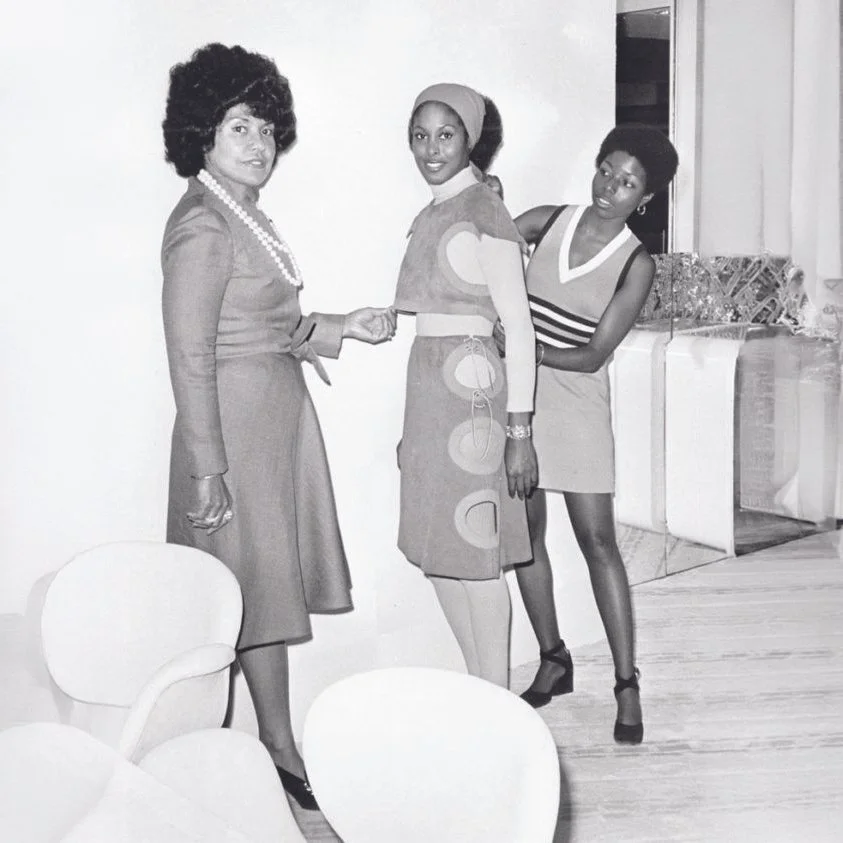
Most tributes for Black History Month follow a predictable script. But the story of Eunice Johnson is less about a struggle for inclusion and more about a masterclass in leverage.
As the director of the Ebony Fashion Fair, Eunice was the ultimate gatekeeper. While the media world looked at her husband, she was busy becoming a titan in the high fashion circuit. She understood that if you want to change how the world sees beauty, you have to control the stage and the ledger.
The Power of the Direct Buy
In the 1950s, the Parisian couture circuit was a fortress of exclusion. Designers like Dior and Balenciaga were hesitant to sell their prestigious pieces to a Black woman from Chicago. They feared their brand equity would suffer.
Eunice Johnson did not ask for permission. She practiced sovereign buying.
She arrived in Europe with a checkbook and a refusal to be intimidated. She bought thousands of pieces of haute couture at full retail price. She did not want a discount. She wanted the assets. By becoming one of the largest private buyers of couture in the world, she flipped the power dynamic. The designers who initially ignored her soon found themselves competing for her attention.
She proved that in a capitalist society, capital is the ultimate tool for cultural rebellion. She did not argue for a seat at the table. She bought the table and determined who was allowed to sit there.
Discovery as Radical Mentorship
Like the legendary Paul Facchetti, Eunice had a kingmaker’s eye. She used the Ebony Fashion Fair as a massive laboratory to prove that Black models were the supreme vessels for high art.
She championed Pat Cleveland and Richard Roundtree long before the mainstream media knew their names. She saw their main character energy and gave them a platform that was more polished than anything in New York or Paris.
She also understood that true power is shared. She used her influence to mentor designers like Stephen Burrows and Patrick Kelly. She gave them the visibility required to break into the European establishment. She did not just find talent. She architected the infrastructure for that talent to endure.
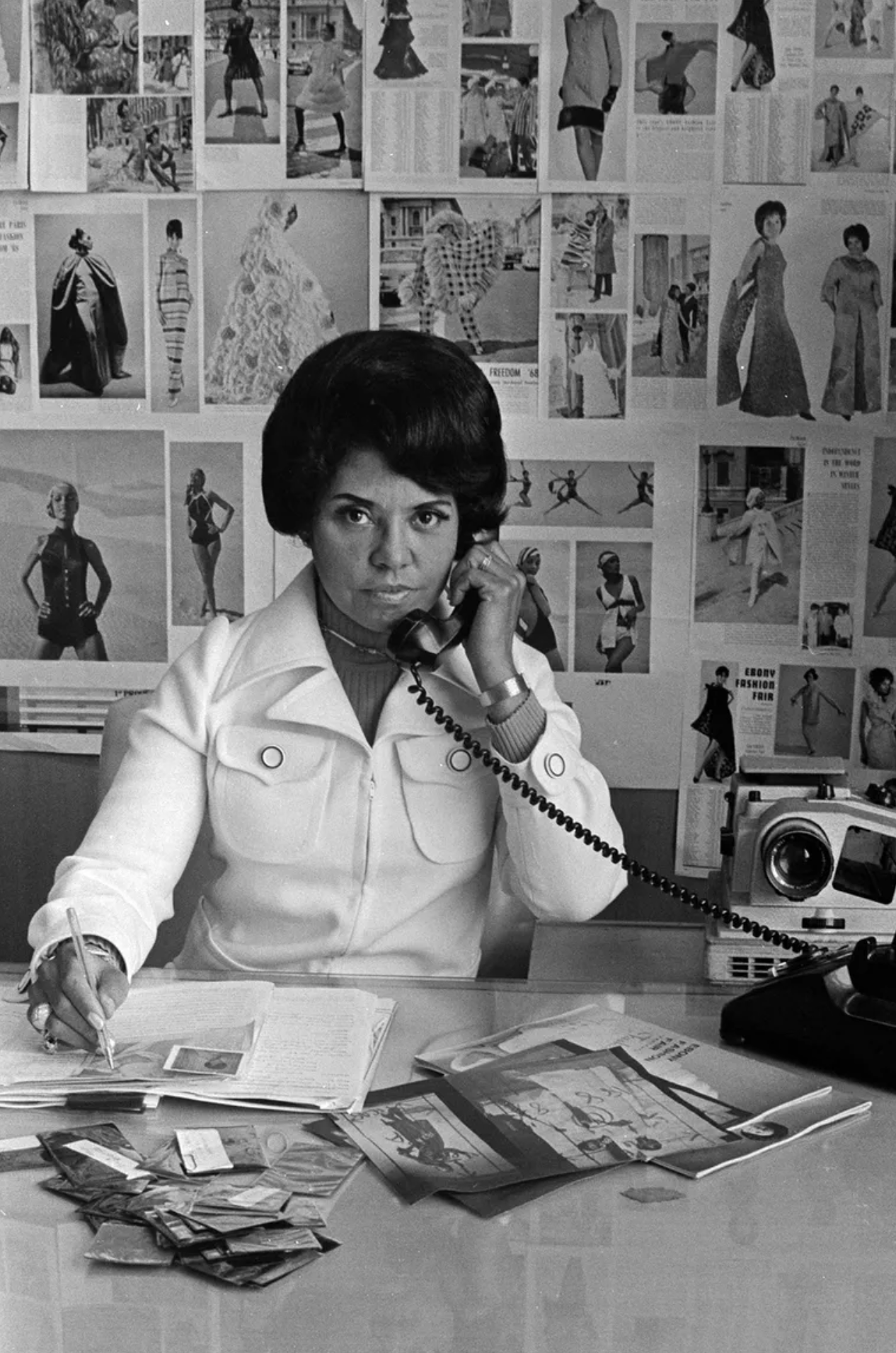
The Legacy of Excellence
The life of Eunice Johnson was a total work of art. She rejected the AirSpace of her time and built her own reality.
She understood that aesthetics are information. By dressing Black women in the most expensive and beautiful clothes on earth, she sent a message to the world that was louder than any protest. We belong in the room because we have already mastered the room.
This month, we celebrate her as a blueprint for the future. She is the ultimate example of how to use strategy and soul to build a legacy that never falls down.
Welcome to the new era of sovereignty.
