The Silicon Valley Tax on the Soul
A few weeks ago, my co-founder and best friend Camille said something to me that has been quietly blowing my brain up ever since. We were looking at a wall of numbers, trying to find the truth in the metrics, and she stopped me. She asked why we are so obsessed with data in the first place.
She pointed out that humanity survived and built literal wonders of the world for millions of years without a single dashboard.
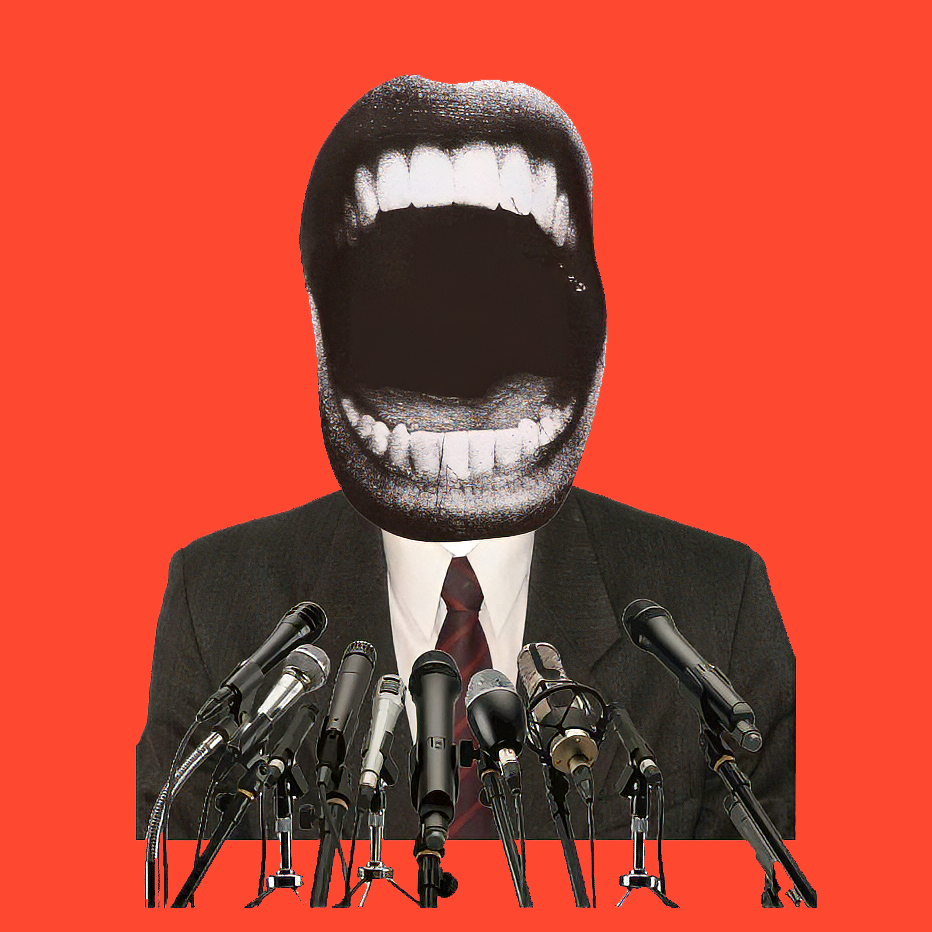
It made me realize that we are being force-fed a lie. Silicon Valley has convinced us that data is the oil of the new economy. They have convinced us that if you are not tracking every click and every micro-preference of your user, you are failing as a founder.
But what if the opposite is true? What if the data is the weight that is keeping us from actually flying?
The Death of the Outlier
The most dangerous part of this tax is that it has killed the unexpected candidate.
Take my own career. I worked at American Express for seven years. I was on the top of my game and consistently one of the top performers on my team. I helped drive real results for a global giant. But on paper? My resume was very fashion design oriented.
In a world governed by human intuition, a hiring manager saw my fashion background and recognized a specific kind of creativity and aesthetic rigor that would benefit a financial institution. They saw a main character who could bridge two worlds.
In today’s world, I would never even get the interview.
An AI-driven resume filter would see fashion design and flag it as a mismatch for a corporate role. The algorithm would trash my resume before a human eye ever saw it. It does not have a data point for a fashion designer turned fintech powerhouse. It optimizes for the safe and the predictable.
The Algorithmic Dating Crisis
This isn't just happening in our careers. It is happening in our bedrooms.
We have outsourced our most intimate decisions to apps that treat humans like inventory in a warehouse. These apps try to decide who you should date based on a set of data points that have nothing to do with chemistry. They are trying to calculate love. But you cannot calculate the way someone’s energy shifts a room or the way a conversation feels at midnight.
When an app decides who you should date or which job you should apply for, it is effectively shrinking your world. It is keeping you in a data-verified bubble where nothing unexpected ever happens. It is the death of serendipity.
The Case for the Billion Dollar Ghost
The short answer to whether a data-less billion dollar company can exist is yes. It might be the only way to build something that actually lasts.
Imagine a company that refuses to track its users. This is a model where the user data does not live on a central server. Instead, it lives exclusively on the user's own device.
In this model, the company has zero knowledge of who you are or what you do. They simply provide the tool or the experience. The optimization happens locally through the human experience rather than through a feedback loop of tracking pixels.
This would be a billion dollar ghost. It would be a company that scales through resonance rather than surveillance. This is how the most exclusive brands scale. They do not need a CRM to know their customers. They rely on the physical reality of the relationship.
Why the Camille Method Wins
Camille was right because she was tapping into the art of endurance.
The system wants us to be predictable so we can be sold. It wants your resume to look like a template and your dating life to look like a spreadsheet. But real power lies in being unpredictable. Real power lies in the spaces they have not figured out how to map yet.
If we want to change the system, we have to start valuing the fashion design resumes of the world. We have to start valuing the intuition that tells us to go on a date with someone who does not match our filters.
We have to stop paying the tax.
Tonight, close the dashboard. Trust the vibe. The future is not in the data. It is in the soul.
