The Polish Renaissance: Why the East is the New Center of Luxury
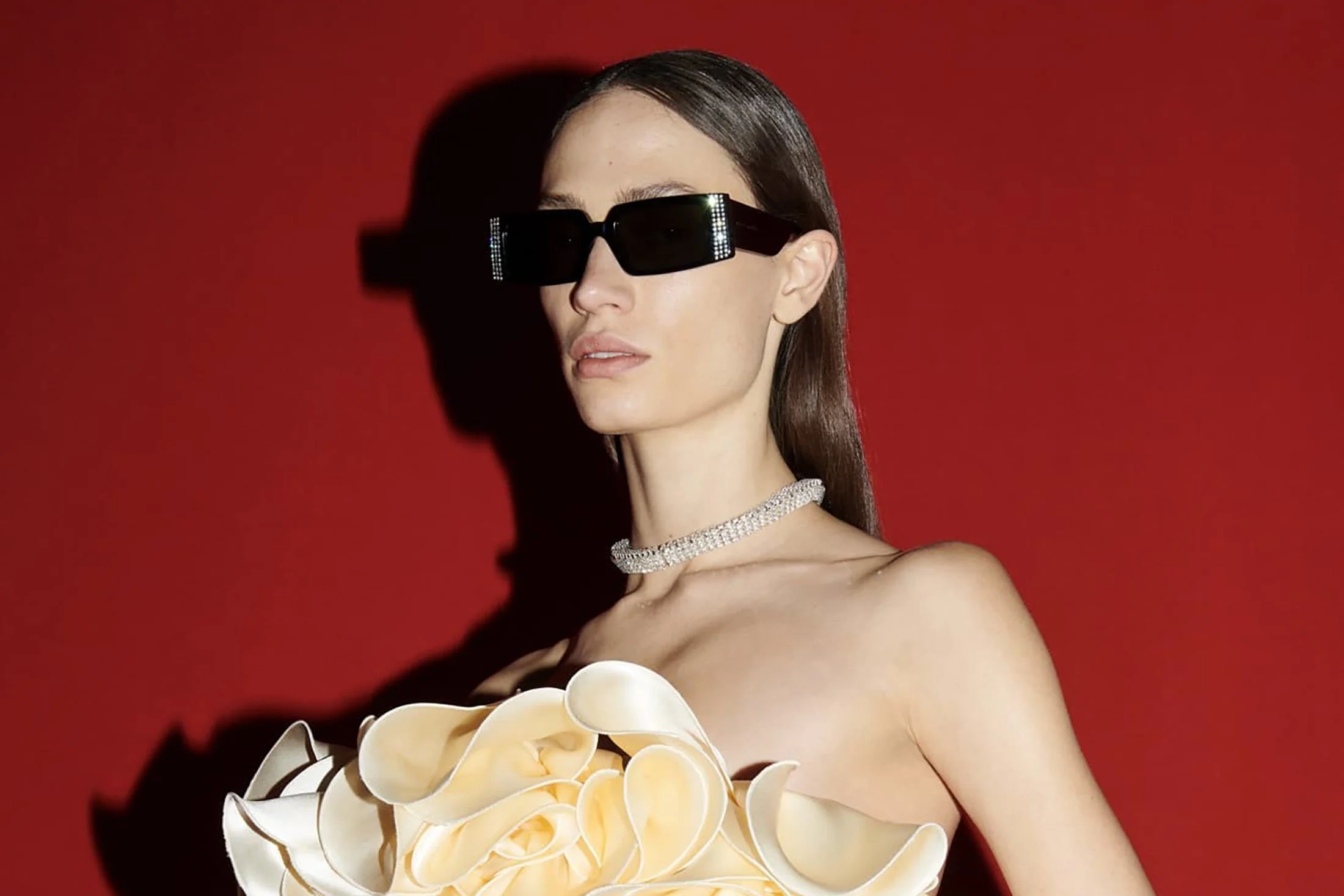
There was a time before the mid-century scars redefined the European map when Warsaw was whispered about in the same breath as the Place Vendôme. Known throughout the continent as the Paris of the North, the Polish capital was a sanctuary of neoclassicism and an uncompromising dedication to high style. To understand the current resurgence of Polish luxury, one must first recognize that this is not a sudden emergence. It is a sophisticated homecoming.
As we navigate the landscape of 2026, the global fashion industry has shifted its gaze. The New Vanguard is no longer emerging from the predictable ateliers of Western Europe. It is rising from the cobblestones of Warsaw. Leading this charge is Magda Butrym, a founder who has done more than just create a label. She has re-architected the way the world perceives the Polish creative spirit.
The Founder as Architect
During my time at the Parsons School of Design, I was trained to look for the intersection of technical rigor and a distinct point of view. Magda Butrym embodies this intersection with a particular kind of Polish grit. She did not wait for an invitation from the established fashion houses. She stayed in Poland and utilized local artisans to export a vision that is both romantic and resilient.
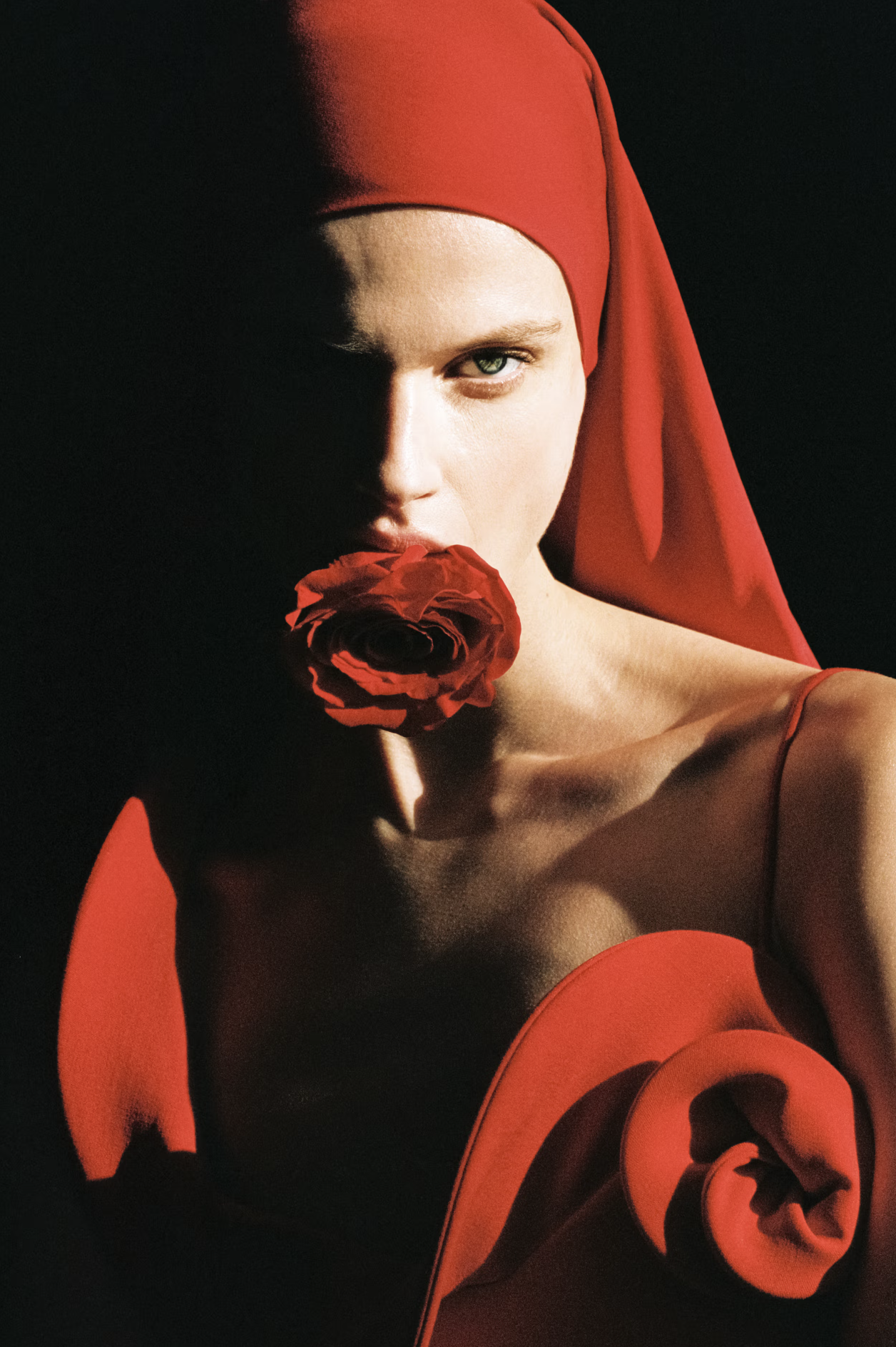
Her success is a case study in founder agency. Magda has proven that heritage is a primary strategic advantage. Her signature 3D florals and structured shoulders are not just aesthetic choices. They are symbols of a culture that knows how to bloom in harsh conditions. She has harnessed the unique Polish perspective—a blend of deep historical memory and modern ambition—to create a brand that feels essential to the current global moment.
The Economic Miracle of Style
The rise of the Polish fashion industry is inextricably linked to the country’s broader economic trajectory. Poland has consistently been one of the fastest-growing economies in the European Union. This growth has translated into a new luxury class and a generation of founders who are no longer content with being regional players. They are competing at the absolute pinnacle of the market.
The Paris of the North may have been lost to the twentieth century, but its ghost has been resurrected in a high-tech fashion ecosystem. Polish designers are blending traditional hand-weaving and embroidery with a sophisticated business model. This is the Eastern European aesthetic. It is intellectual and textured. It is unapologetically bold.
A Unique Cultural Perspective
We often talk about innovation in fashion as if it is purely a matter of textiles. But the true innovation happening in Warsaw is the reclamation of identity. By leaning into the unique history of Polish craft, brands are offering something that the safe Western luxury houses currently lack. They are offering soul.
The Polish narrative is one of survival and a relentless drive toward excellence. It is a culture that does not just ask to be seen. It demands to be understood. For those of us who carry this heritage into global spaces, watching this renaissance is a visceral reminder that our perspective is not just unique. It is beautiful and it is necessary.
The East is no longer the periphery. It is the destination. We are witnessing a shift where provenance matters more than ever and a Made in Poland label is becoming a mark of high-fashion literacy. Magda Butrym is the anchor of this movement. She has proven that if you have the discipline to honor your craft, the world will eventually catch up to your frequency.
